One prompt, three price points
Lite for a fast 1K pass, Nano Banana 2 for the full 0.5K to 4K range, Pro for the most prompt-faithful render. Switching tier keeps the prompt, the aspect and the attached references in place.

Google’s Nano Banana is an image model that’s exceptional at creating and editing photo-real visuals, and polished graphics with sharp, legible type. Built to preserve identity and visual details across edits, it’s especially useful for storyboards, campaigns, character concepts, and repeatable creative series.
Lite for a fast 1K pass, Nano Banana 2 for the full 0.5K to 4K range, Pro for the most prompt-faithful render. Switching tier keeps the prompt, the aspect and the attached references in place.
Nano Banana 2 and Pro render at 1K, 2K or 4K straight out of the panel — a finished frame rather than a proof that needs an upscale afterwards.
Attach the shot and name what moves: pour the tea, replace the backdrop, put the same face somewhere new. Everything the prompt does not name comes back as it was.
Name one image for the subject and another for the place, and both arrive in a single frame with the light reconciled between them.
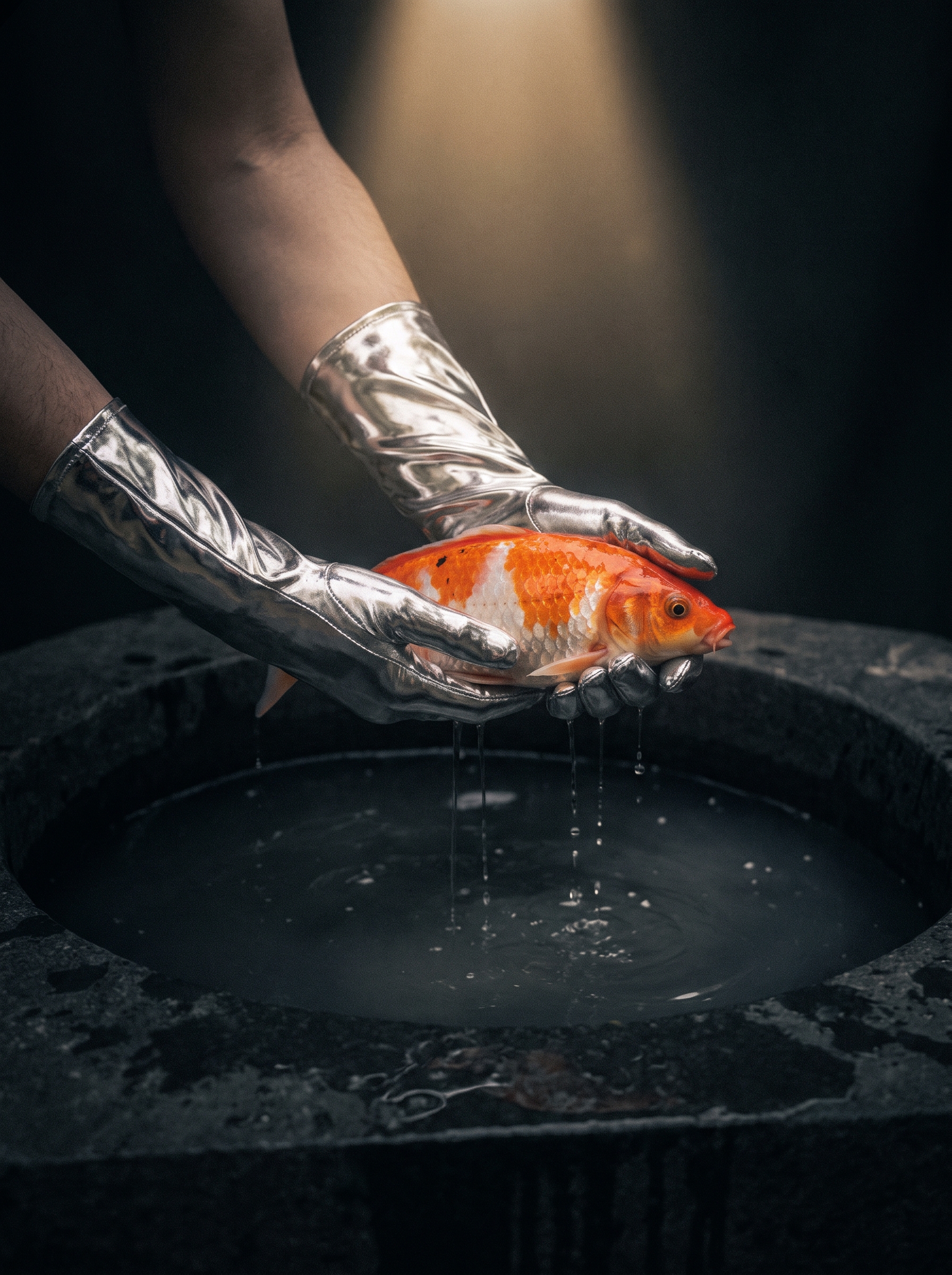
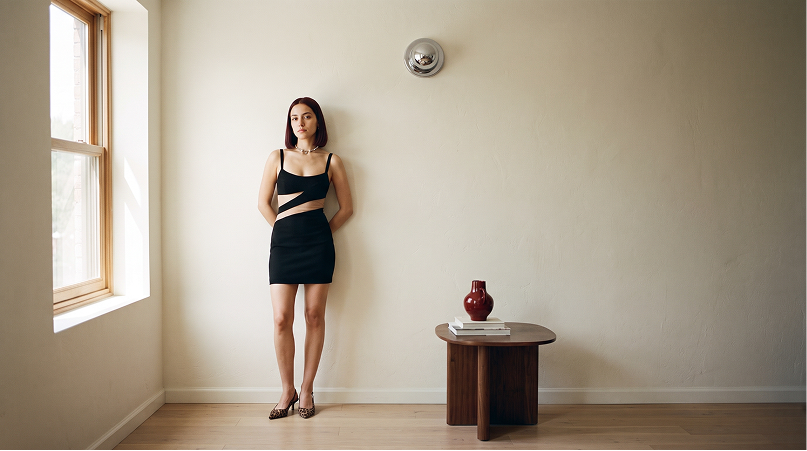

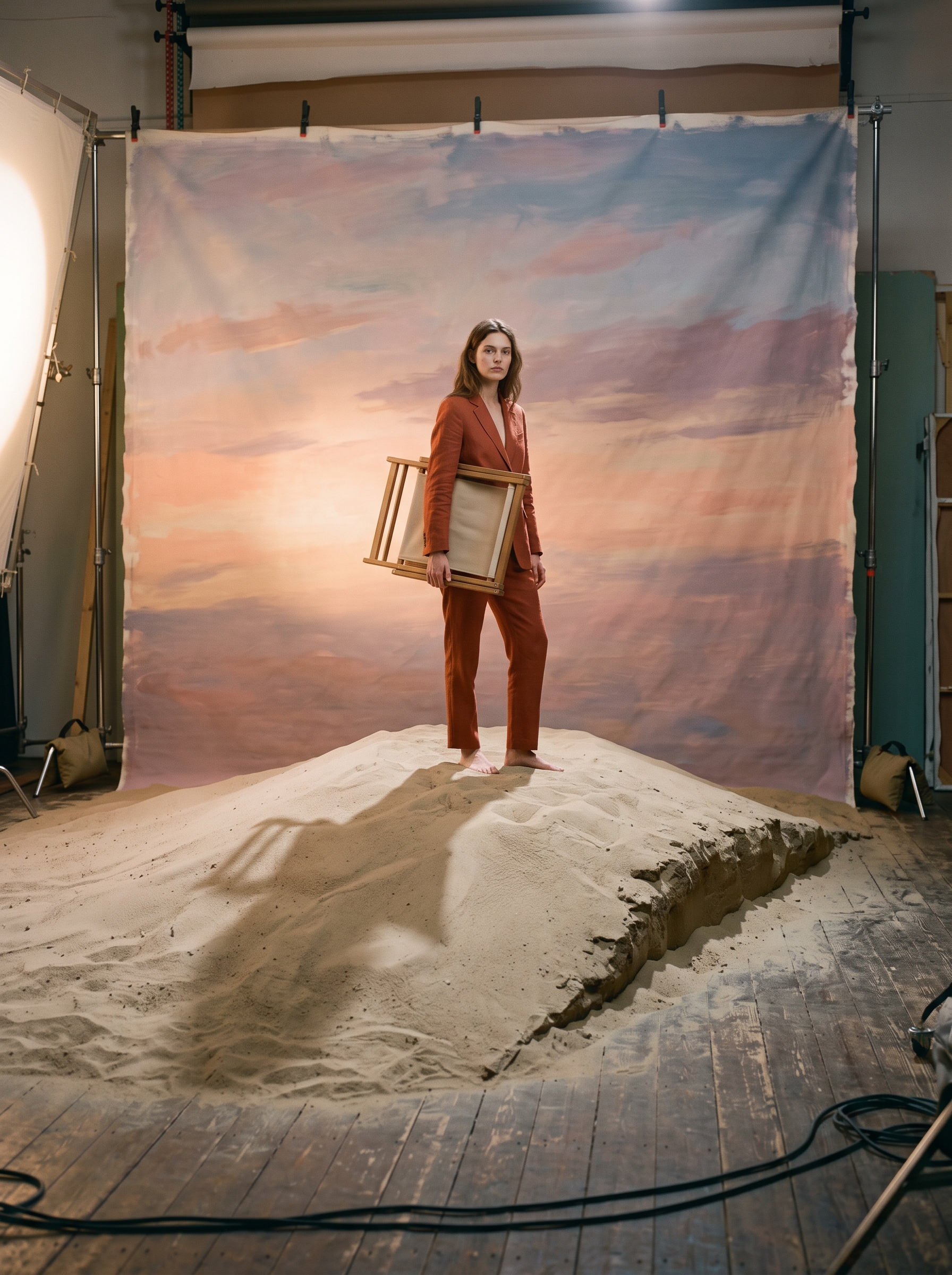
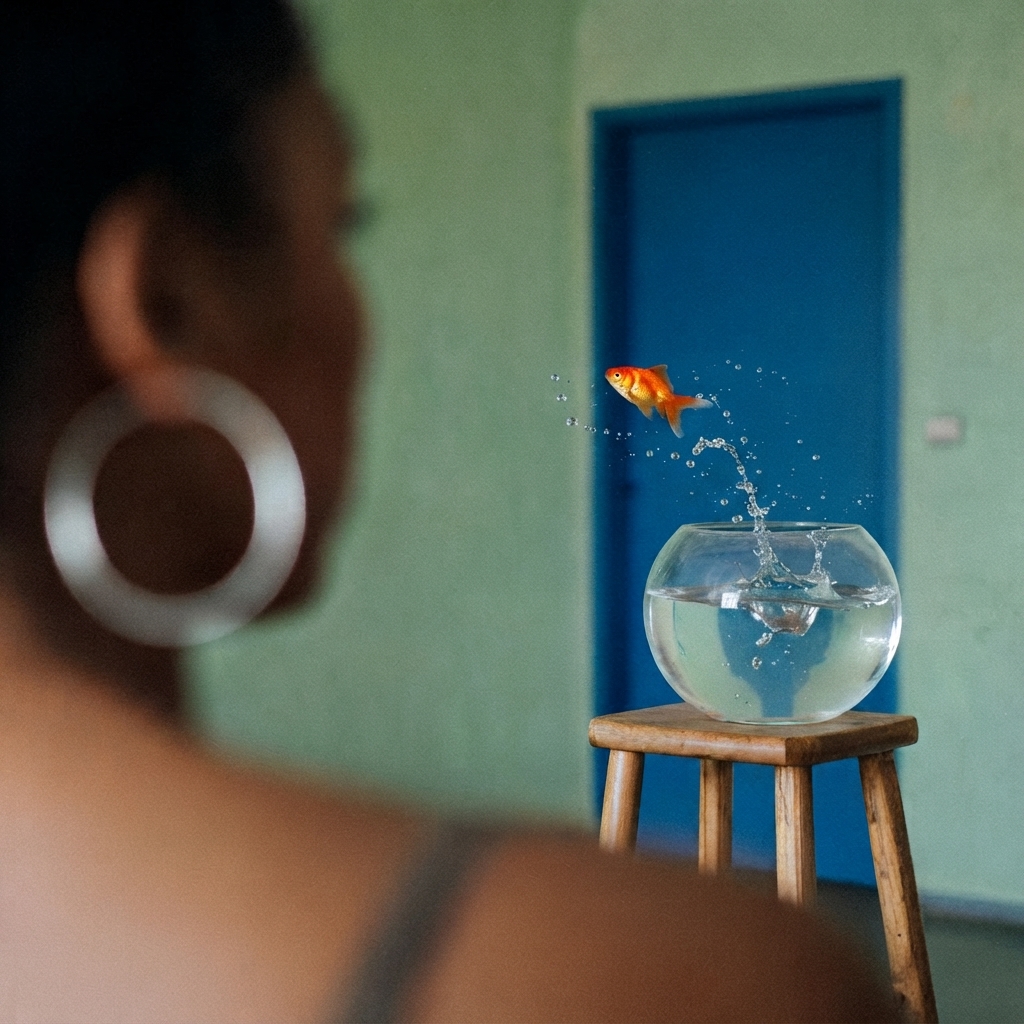

Nano Banana 2 Lite renders at 1K only and is the cheapest pass. Nano Banana 2 covers 0.5K, 1K, 2K and 4K. Nano Banana Pro renders 1K, 2K and 4K and follows a long prompt most closely. Pick a size a tier cannot render and the selection moves to the cheapest tier that can.
Attach it. Any request with an image attached routes to that tier's edit model, so the prompt describes the change rather than the whole picture.
Up to 14 on Nano Banana 2 Lite, 10 on Nano Banana 2 and 6 on Nano Banana Pro. Go over the current tier's cap and Generate holds until you remove the extras.
1:1, 2:3, 3:2, 3:4, 4:3, 4:5, 5:4, 9:16, 16:9 and 21:9, or Auto to let the render pick its own shape.
Google's 512 tier, priced as a half-K render and offered on Nano Banana 2 only. Use it to rough out a composition before committing to 2K or 4K.
One image per generation, as PNG by default, or JPEG or WEBP from the Format chip.